
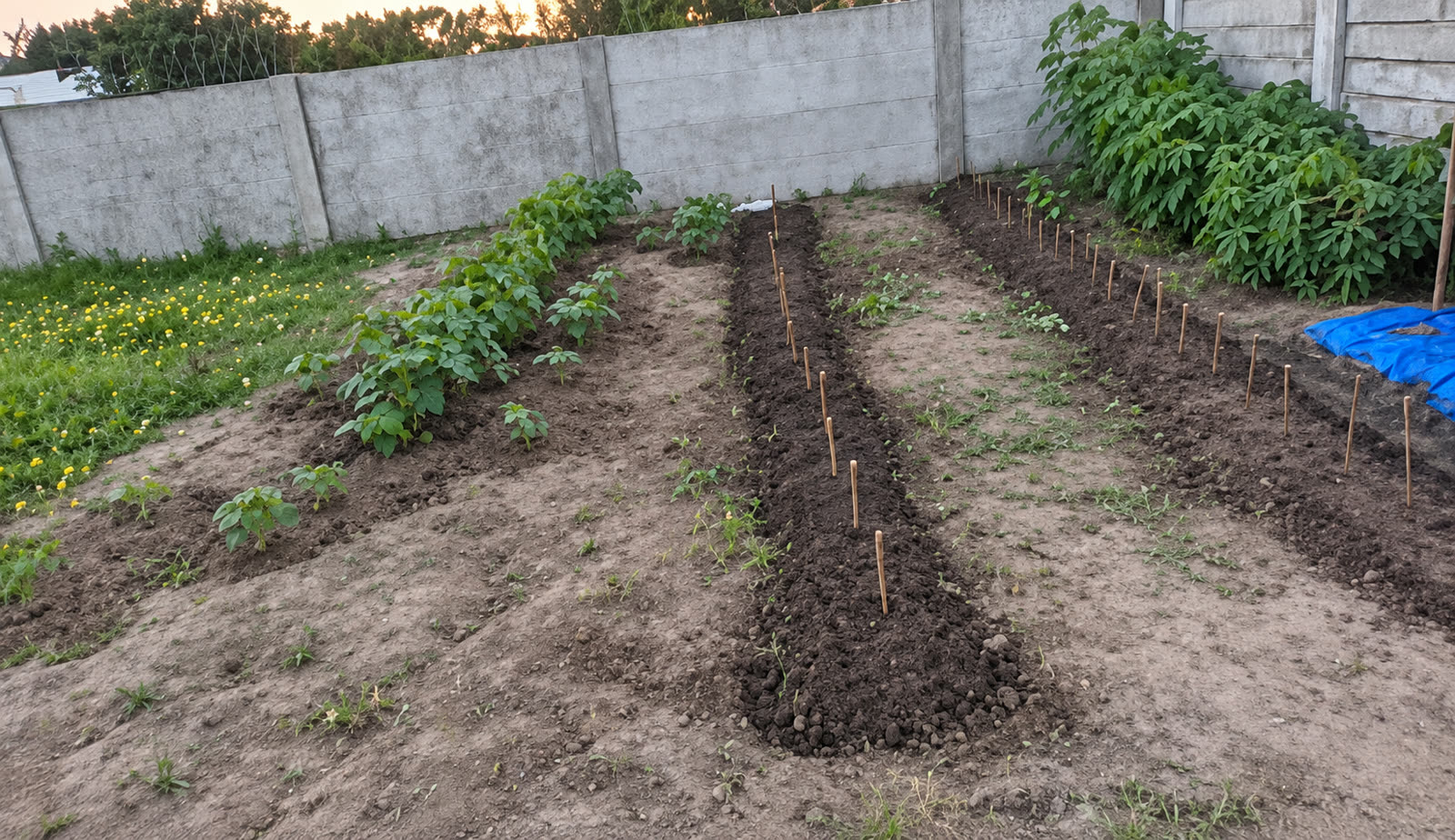
Your planting year
Growing Guide
Practical, tropical-lowland growing advice from Expat Express Farm.
01 / YOUR PLANTING YEAR
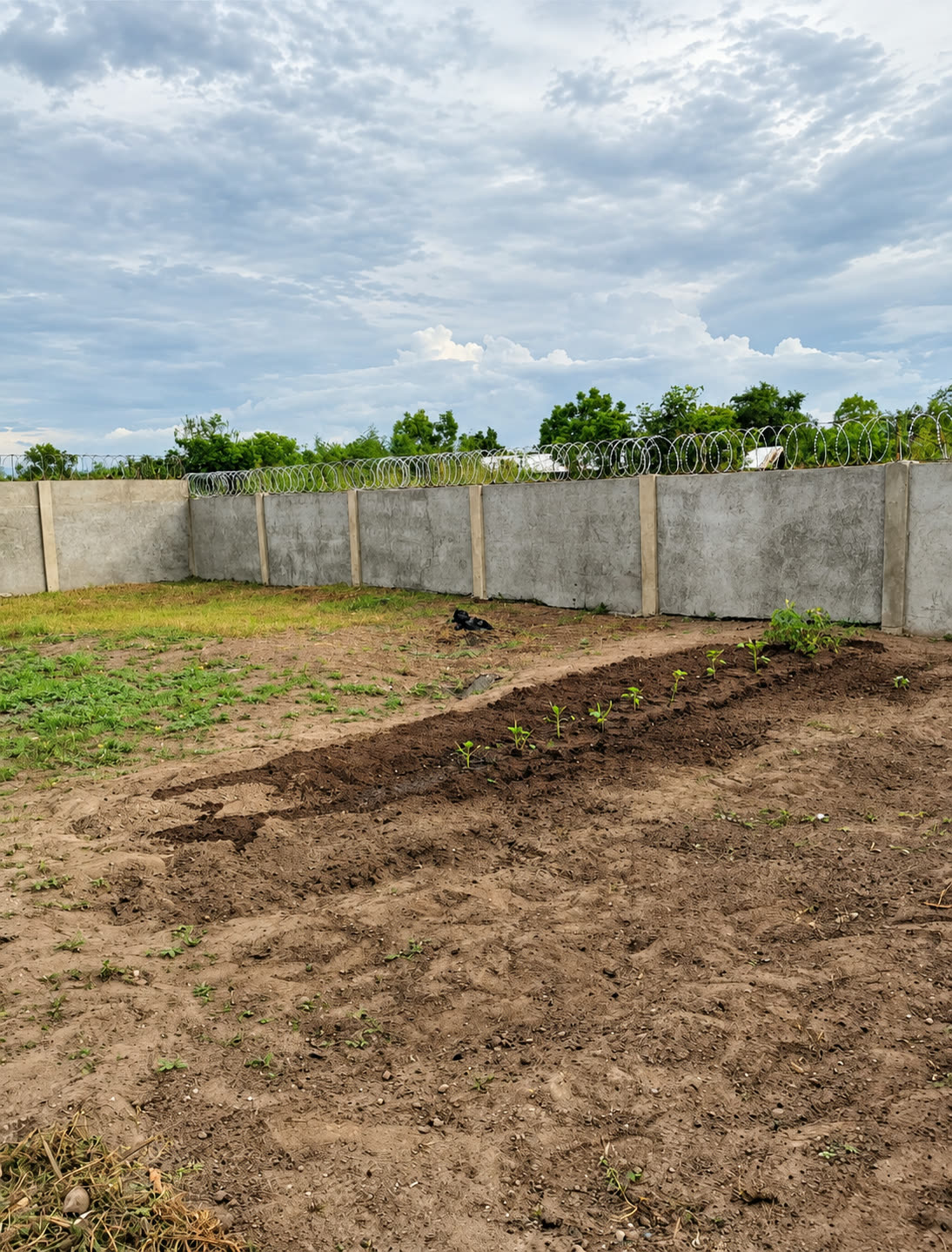
Grow fresh. Share more.
A farm in development, a future learning space, and a community working toward sharing its harvest. Start with the planting calendar, then explore how to grow, preserve and give back.
A tropical, lowland garden
General Santos has rainfall throughout the year. Water supply, drainage and local conditions matter more than the month alone.
Check PAGASA climate guidance ↗
PLANTING CALENDAR
October 2026
Transition months · watch actual rainfall
Pechay & basil
Try small successive sowings with locally adapted seed. Protect pechay from intense heat; keep basil in well-drained soil.
Local trial
Okra
Year-round with water and drainage. Approx. 60–75 days from planting.
Direct sow
Eggplant
Year-round; transplant healthy seedlings. Approx. 90–120 days from planting.
Nursery start
Pole sitao
Year-round. Provide a trellis; approx. 50–65 days from planting.
Direct sow
Ampalaya
Year-round with a strong trellis. Approx. 60–75 days from planting.
Direct sow
Tomato
General Philippine planting window. Choose heat-adapted varieties; approx. 55–65 days after transplanting.
Nursery start
Seasonal planning guide, not a forecast. Changing the year changes the planning label; seasonal windows repeat. Confirm varieties and timing with your local agriculturist.
WHEN THE RAIN ARRIVES
Protect the roots. Keep growing.
Use the weather you see, not a fixed rainy-season date. General Santos receives rain throughout the year.
Before heavy rain
Clear drainage paths without sending polluted runoff onto neighbouring land. Raise seed trays, secure trellises and keep compost covered but ventilated.
During wet weather
Pause irrigation when soil is wet. Keep off saturated beds. Protect seedlings under a ventilated rain shelter and inspect for leaf spots, rot and damaged supports.
After the rain
Check drainage and roots before replanting. Remove badly damaged material, repair supports and restore mulch once beds drain. Scout frequently; do not apply extra fertilizer automatically.
What can we plant? Okra, sitao, eggplant and ampalaya are year-round candidates with suitable drainage. Trial small batches of locally adapted varieties. Delay sowing in waterlogged soil; no crop is flood-proof.
Floodwater is different from pooled rain: do not eat, donate, sell or can produce touched by contaminated floodwater. Washing or canning does not make it safe. Seek local agricultural advice before using affected land again. Flooded-field food safety
What grows well together?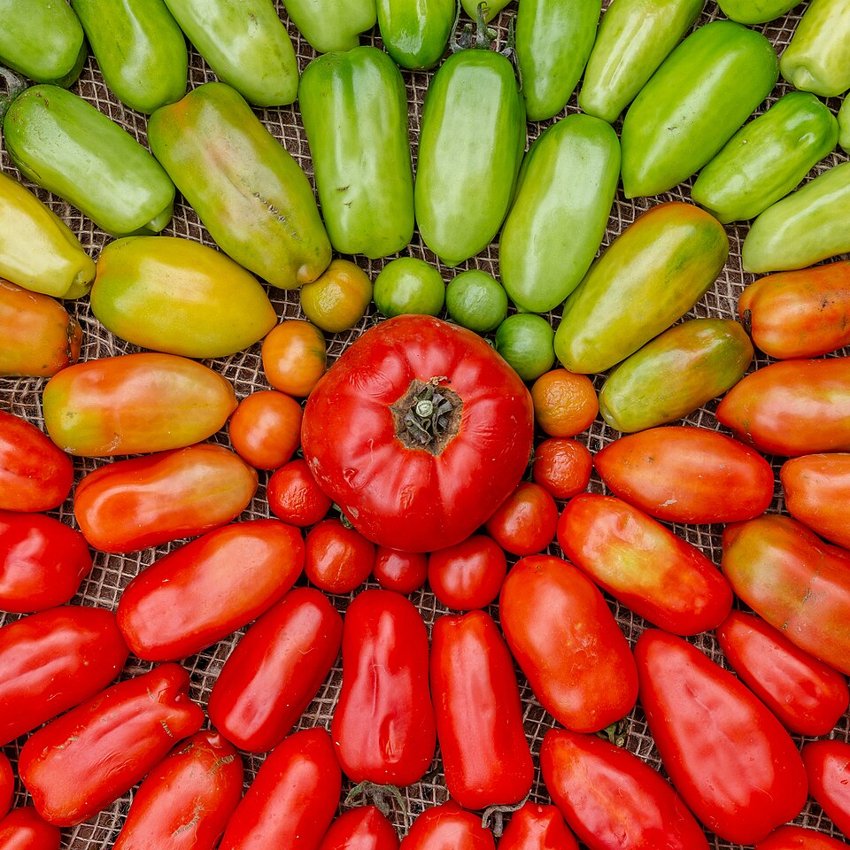 Grow a garden with room to thriveReference photograph; not a photograph of the farm.
02 / SHARE THE SPACE
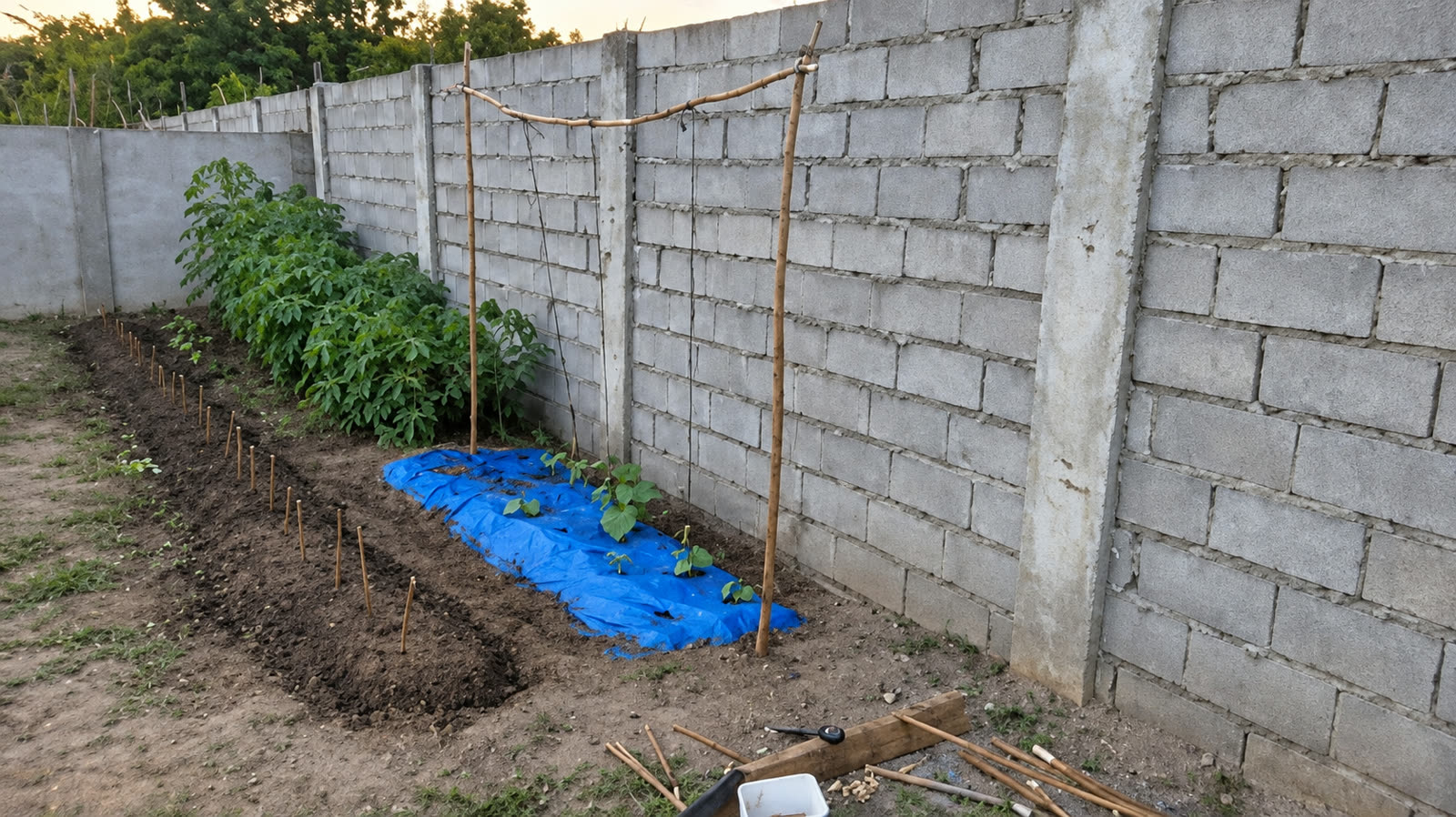
What grows well together?
Plan around light, space and harvest timing. Popular “good and bad neighbour” lists often have limited evidence.
01
Tomato + short-cycle greens
Plant pechay beside young, well-spaced tomatoes. Harvest the greens before the tomato canopy closes.
Leave room for airflow. Do not crowd stems.
02
Cucumber + flowering border
Grow cucumbers on a trellis and keep flowers along the bed edge to support insect diversity and flower visitors.
Keep the flowers from shading the vines.
03
Radish + slower-growing crops
Use fast radishes between young, wider-spaced crops. Harvest early so roots and leaves do not compete.
Follow the seed packet's final spacing.
Rotate families, not just crop names. Tomatoes, peppers and eggplants share a family and some diseases. Move that family between beds where possible. Beans do not automatically feed neighbouring plants while growing.
03 / BUILD FROM THE GROUND UP
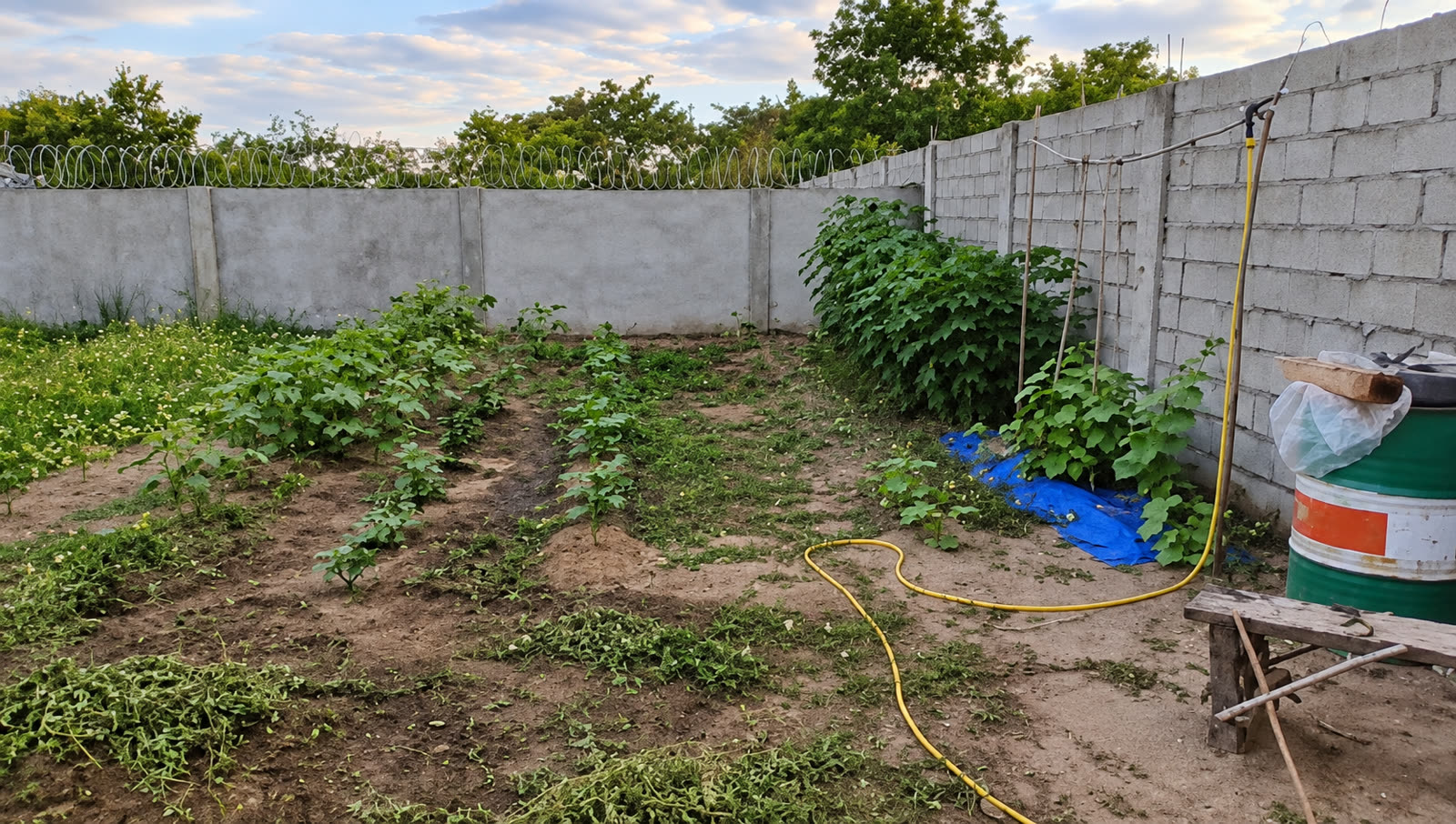
Healthy soil. Useful compost.
Compost improves soil structure. It does not replace every nutrient your crop needs.
Start with the soil you have
- Test before correcting. Check pH and nutrients; use crop-specific advice before adding lime or fertilizer.
- Protect drainage. Avoid compacting beds. Use raised beds where water collects.
- Add mature compost. Work modest amounts into garden soil. Avoid planting in pure compost.
- Keep it covered. Mulch between plants, leaving stems clear. Adjust irrigation to actual soil moisture.
Containers need a well-draining potting medium, not dense garden soil. Fruit trees need drainage and room for their mature canopy.
Make a balanced compost pile
BROWNS
Dry leaves, straw and shredded plain cardboard.
GREENS
Vegetable scraps, coffee grounds and fresh plant trimmings.
Mix the materials, keep the pile moist but not soggy, and turn it for air. Add dry material if it smells or becomes slimy.
Ready to use: dark, crumbly, earthy-smelling compost that no longer heats after turning.
Keep out: meat, oils, dairy, pet waste and badly diseased plants. Keep raw duck manure away from edible crops; use properly managed composting and local food-safety guidance.
04 / CHOOSE YOUR APPROACH
Conventional or organic?
Both approaches start with suitable varieties, healthy soil, careful watering and regular crop inspection.
| Practice | Conventional growing | Organic growing |
|---|---|---|
| Plant nutrition | Compost plus mineral fertilizers as needed, based on soil tests. | Compost, rotations and inputs permitted under the applicable organic standard. |
| Pests & disease | Scout first; use barriers and cultural controls. Use registered treatments when necessary. | Prioritize prevention, nets and biological controls. Check whether each treatment is permitted. |
| Weed control | Mulch, hoeing and other permitted control methods. | Mulch, hand weeding, cultivation and cover crops. |
| Records & claims | Record varieties, fertilizer, treatments and harvests. | Keep input and field records. Growing with compost alone does not establish organic certification. |
“Natural” does not mean harmless. Follow product labels and harvest intervals. For organic sales in the Philippines, confirm current requirements with BAFS and an appropriate certification body.
Fruit Trees, Fruit Bushes & Small Gardens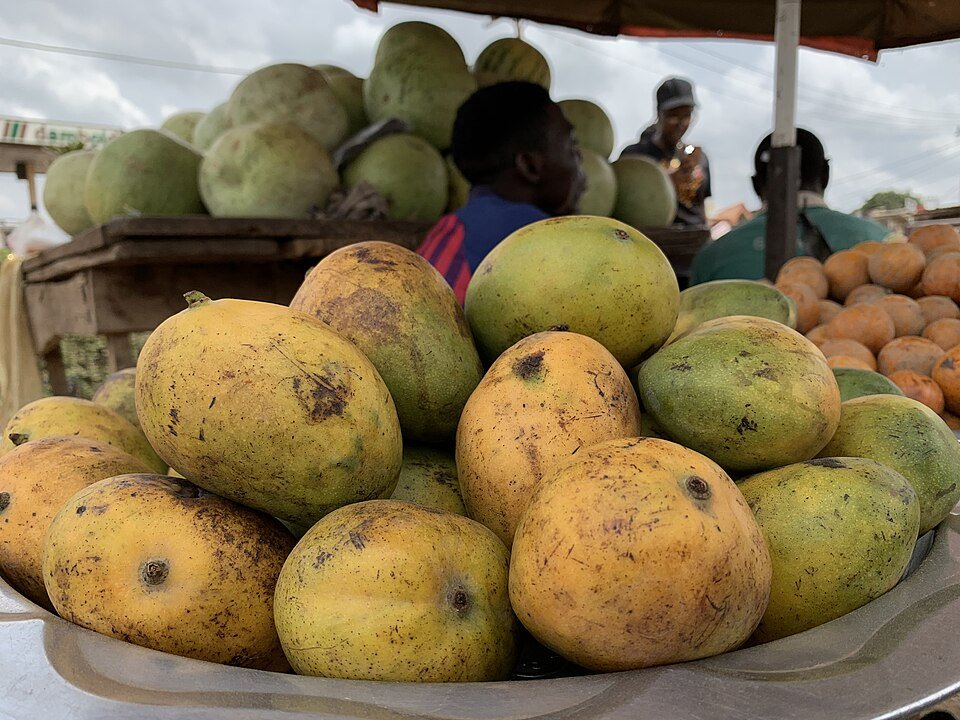 Fruit to discover and growReference photograph; not a photograph of the farm.
05 / THINK BEYOND ONE HARVEST
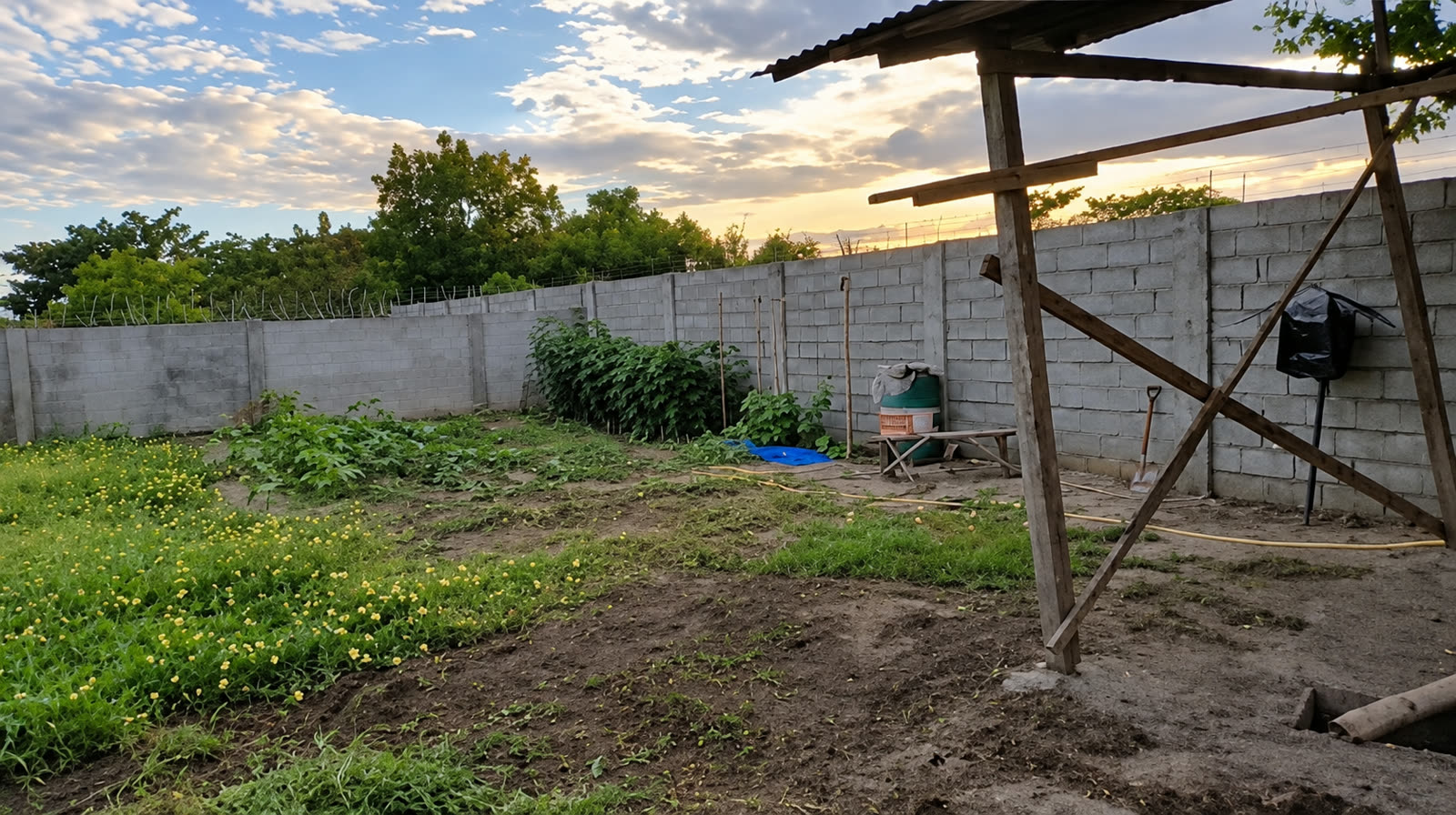
Fruit Trees, Fruit Bushes & Small Gardens
Tree planting is about establishment. A planting month is not a promise of a harvest month.
Banana & papaya
Establish when dependable moisture is available, with free drainage and irrigation backup. Use healthy planting material.
Mango & calamansi
Choose healthy nursery plants suited to your area. Plant when regular rains begin, or any time with reliable irrigation and care.
Malunggay & herbs
Choose sunny, drained positions. Basil needs regular moisture; established malunggay tolerates drier conditions.
For General Santos, May–June is a provisional establishment window based on the rise in average rainfall, not a fixed rule. Observe actual rainfall first. Mangoes and citrus generally take years to bear; variety and plant age matter.
Explore fruit trees and farm life with our children’s learning guide →
Fruit bushes and smaller fruit plants
Guava / Bayabas
Guava can grow as a small tree or a branching shrub. Selective pruning helps manage its height and spread while letting light and air into the canopy. Choose a sunny position and allow room for its mature branches.
Acerola / Barbados cherry
A tropical fruiting shrub or small tree with small red fruits. Consider it as a trial plant in a sunny, well-drained spot. Ask a local nursery about correctly identified planting material and performance in General Santos before buying.
Plan before you plant
- Start with a few plants and leave access for watering, pruning and harvesting. Plan for mature size, especially with mango trees.
- Choose healthy nursery plants. Confirm the variety, propagation method and expected mature size with the grower.
- Use free-draining soil, water young plants regularly according to soil moisture, and keep mulch away from the trunk.
- Record planting dates, flowering and harvests to learn what performs well in your own garden.
These are planting ideas, not a list of plants currently growing at the farm. Confirm local variety suitability and spacing with a nursery or agricultural adviser.
Fruit-growing references
- DA–ATI: Calamansi production guide (PDF)
- UF/IFAS: Guava growing and pruning
- UF/IFAS: Barbados cherry / acerola
UF/IFAS references describe Florida growing conditions; use their general plant-care principles, not their seasonal calendars, for a Philippine garden.
Save a seed.Share a possibility.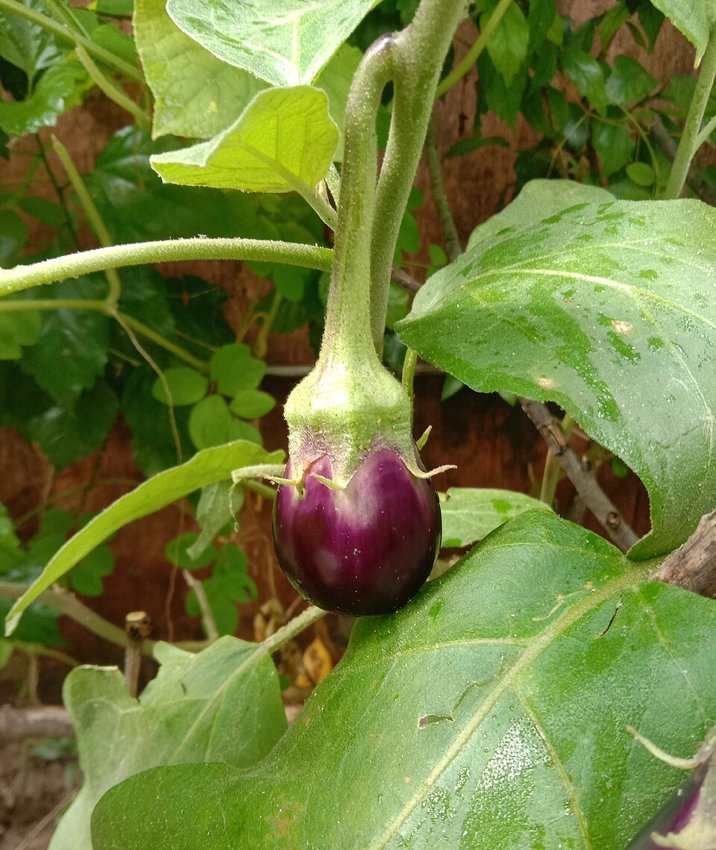 Start small. Share what you learn.Reference photograph; not a photograph of the farm.
PLANNED COMMUNITY SEED PROGRAM
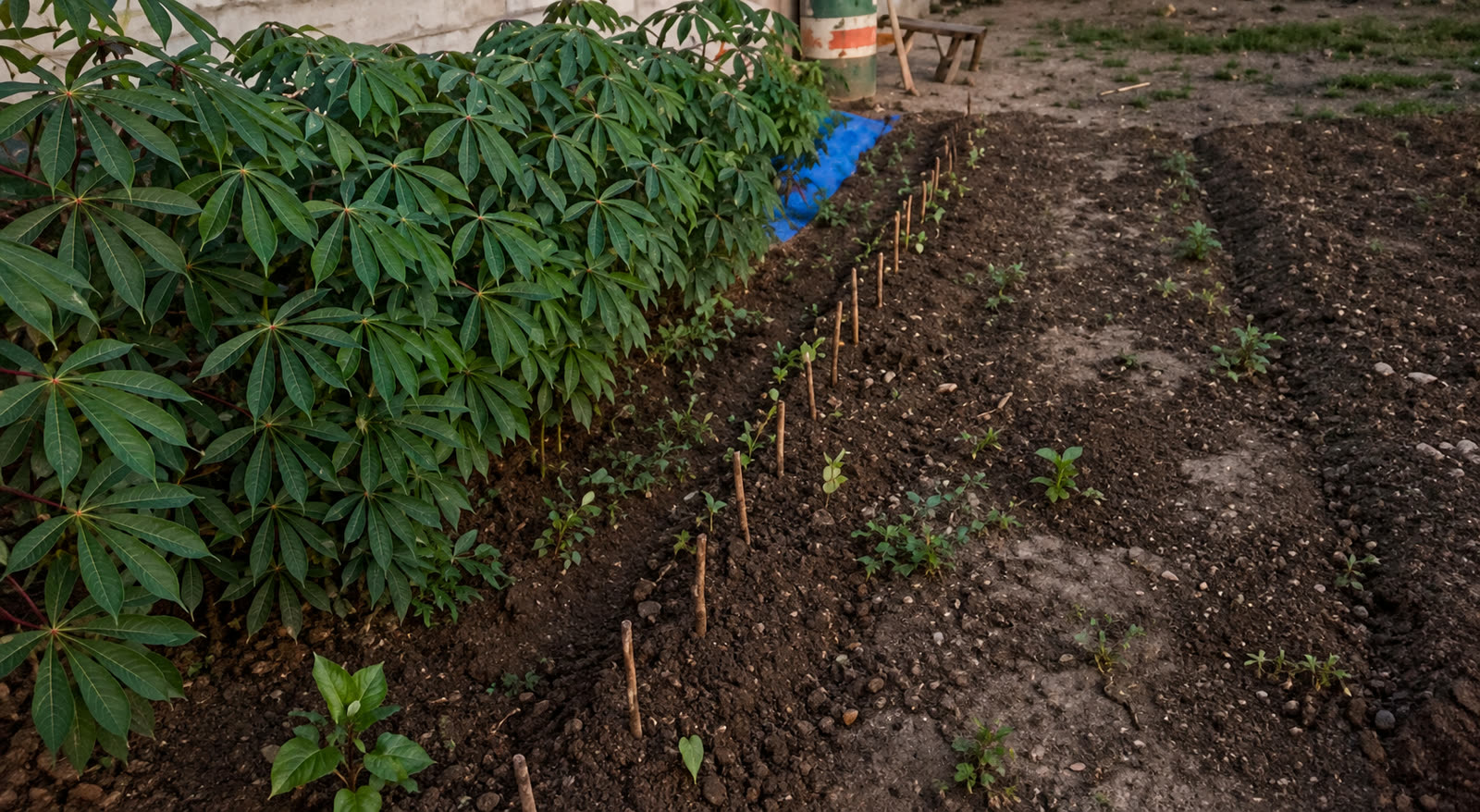
Save a seed. Share a possibility.
We want to harvest, save and exchange seeds with the community, making it easier to try new crops and keep useful local varieties growing.
Program in development
Learn from each other
As an American expat, our CEO brings an interest in crops familiar in America and a curiosity about Filipino fruits and vegetables. Some varieties are less common locally, while some local crops are unfamiliar to American visitors. Availability and growing conditions vary—we are all here to learn.
We hope to exchange seeds, growing notes and recipes, then trial small plantings suited to General Santos.
Share your interest in the seed program
How we hope to exchange
- Choose healthy plants and open-pollinated varieties. Saved hybrid seed may grow differently from its parent.
- Dry and label seeds with crop, variety, harvest date and growing notes.
- Share small packets and germination results. Keep seed dry and protected from heat.
- Learn which crops cross-pollinate before promising that seed will grow true to type.
Start with locally sourced seeds. Before moving seeds between countries, check current BPI and destination-country import requirements. A community exchange does not bypass plant-quarantine rules.
Seed-saving guidance · BPI plant import guidance
Explore fruit trees and farm life with our children’s learning guide →
TWO FOOD CULTURES, ONE LEARNING COMMUNITY
Familiar favourites. New discoveries.
Explore popular produce from the Philippines and America. These are learning examples, not a list of crops already available from our farm.
GENERAL SANTOS & THE PHILIPPINES
Tropical fruits & everyday vegetables
Fruits
Banana, pineapple, mango and calamansi are major Philippine fruit crops. Papaya, watermelon, guava and jackfruit are other familiar tropical choices.
Vegetables & edible leaves
Eggplant (talong), tomato (kamatis), squash (kalabasa), okra, long beans (sitaw), bitter melon (ampalaya), pechay, kangkong and malunggay are useful crops to get to know.
This is a practical selection of regional and Filipino favourites, not a measured popularity ranking for General Santos. Market supply and household preferences vary.
UNITED STATES
Kitchen staples & garden favourites
Fruits
Bananas and apples are leading fresh-fruit choices in USDA consumption estimates. Oranges, grapes, strawberries and watermelon are other familiar favourites.
Vegetables
Potatoes and tomatoes lead consumption when fresh and processed forms are included. Sweet corn, lettuce, onions, carrots, broccoli, cucumbers, peppers and green beans are familiar kitchen and garden choices.
USDA rankings cited here use food-availability estimates and older reporting years, not a live 2026 popularity poll. Other examples are familiar choices, not a ranked top ten.
Popular does not mean suitable everywhere. Many crops are grown in both countries. Different varieties, heat, rainfall and elevation affect success. Apples and many temperate fruits need conditions unlike a typical lowland General Santos garden; imported market fruit is not proof it will grow well here.
Further reading: PSA major fruit crops · DA vegetable roadmap · USDA food consumption estimates
MEET YOUR GARDEN NEIGHBOURS
Helpful insects & garden pests
Look closely before you spray. These are examples, not a diagnosis: species and life stages can look different. Confirm unfamiliar insects with the local agriculturist.
Good bugs: protect your helpers
 Garden helper
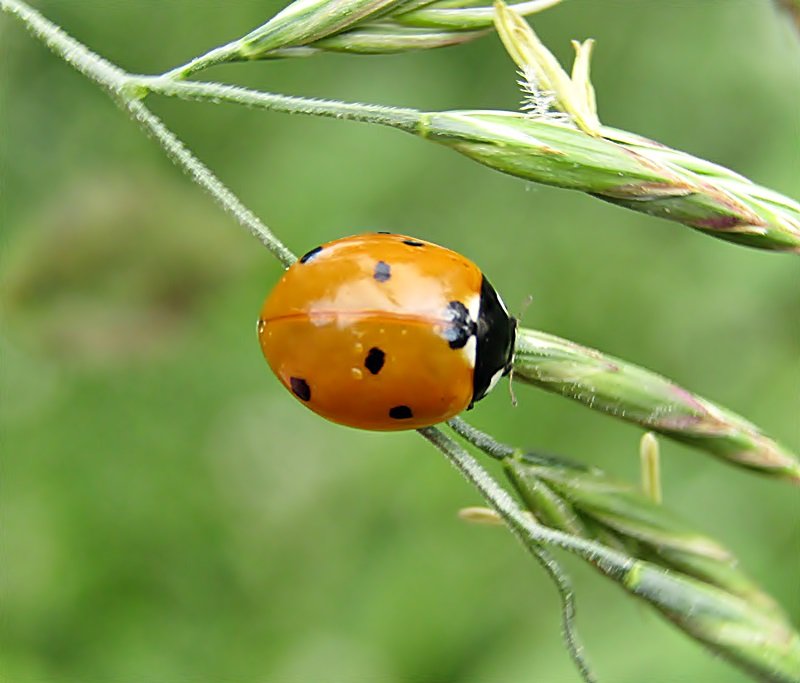
Predatory lady beetles
Many eat aphids. Their larvae often look very different from rounded adults. Some leaf-eating lady beetles are pests, so check behaviour and identification.
 Garden helper
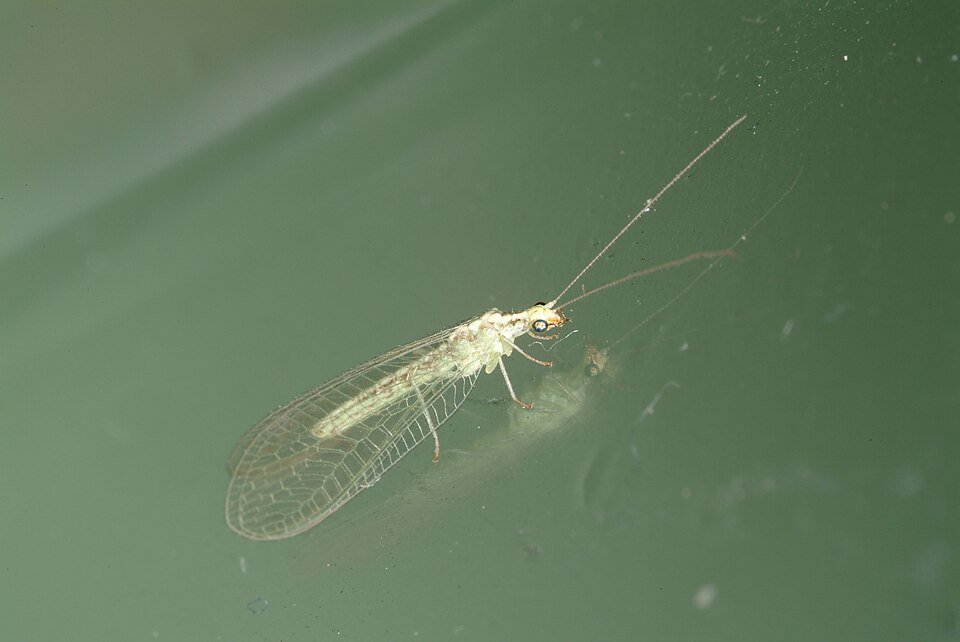
Green lacewings
Delicate, net-veined wings on adults; many larvae hunt small, soft-bodied pests. Protect them from unnecessary sprays.
Garden helper
Hoverflies & other flower visitors
Many hoverfly larvae eat aphids. Adults visit flowers. Keep flowering plants and avoid spraying visiting pollinators.
Bad bugs: inspect the damage
 Inspect & monitor
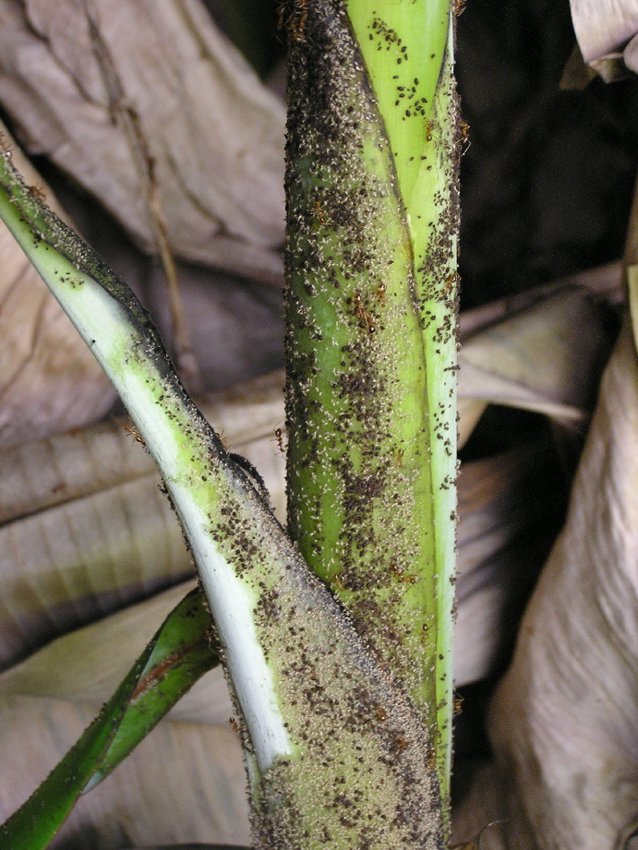
Aphids
Small insects in clusters on tender shoots; curled leaves and sticky honeydew. Check for predators. A water spray can help remove small colonies.
 Inspect & monitor
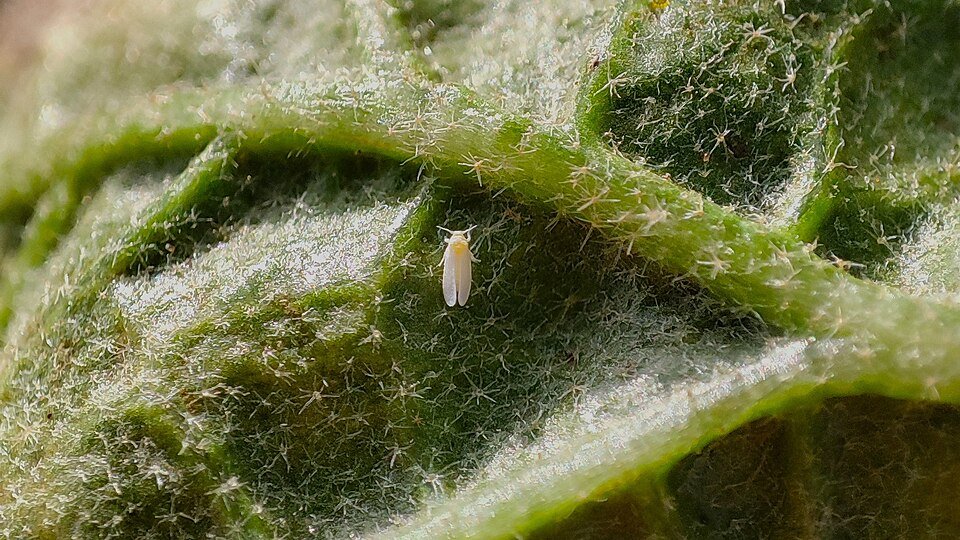
Whiteflies
Tiny white adults flutter when disturbed; look for immature stages under leaves. Inspect new seedlings and remove isolated infested leaves.
Inspect & monitor
Mealybugs
White, cottony-looking clusters around stems or leaf joints. Check new plants and protect predators; ants may guard honeydew-producing pests.
Which treatment fits the pest?
Start with identification, monitoring and non-chemical controls. These active-ingredient groups are options to discuss with an agriculturist, not Philippine product approvals.
| Pest | First steps | If treatment is needed |
|---|---|---|
| Aphids / whiteflies | Water spray; remove isolated infested leaves; protect predators. | Commercial insecticidal soap or horticultural oil, only if its FPA-registered label covers your crop and pest. |
| Mealybugs | Inspect new plants; remove small infested parts; manage ants. | Labelled insecticidal soap or horticultural oil may suppress exposed young stages; waxy colonies are harder to reach. |
| Leaf-chewing caterpillars | Identify first; hand-pick small infestations; use suitable insect netting. | Bacillus thuringiensis subsp. kurstaki (Btk) for susceptible, young caterpillars when locally registered for the crop and pest. It does not treat aphids or whiteflies. |
Before any pesticide: verify current FPA registration and the exact crop/pest label. Follow dose, protective equipment, harvest waiting time and re-entry time. Keep children, ducks and pond water away from sprays. Avoid drift, flowering plants and active pollinators. Never substitute dishwashing liquid for labelled insecticidal soap. Organic products can also harm plants and beneficial insects.
Learn from trusted guides FPA · Check registered products UC IPM · Photo identification gallery UC IPM · Aphids UC IPM · Whiteflies UC IPM · Mealybugs UMN · Caterpillar management
These international guides explain identification and general biology. Use Philippine registration and local advice for treatment decisions.
THE LANGUAGE OF GROWING
Small words. Big understanding.
A simple farming dictionary. Open a word to learn what it means.
Germination
When a seed begins to grow.
Seedling
A young plant grown from a seed.
Transplanting
Moving a young plant into its growing bed or container.
Hardening off
Gradually getting sheltered seedlings used to outdoor conditions.
Compost
Decomposed organic material used to improve soil.
Mulch
Material placed on the soil surface to reduce moisture loss and weeds.
Soil pH
A measure of how acidic or alkaline soil is.
Drainage
How excess water moves out of the root zone.
Pollination
Transfer of pollen that can help flowers form seeds and fruit.
Crop rotation
Growing different crop families in a bed over time.
Trellis
A support that helps climbing plants grow upward.
Integrated pest management (IPM)
Identifying and monitoring pests, then combining suitable controls.
Beneficial insect
An insect that helps through pollination or pest control.
Pesticide
A product used to control pests; insecticides target insects.
Pre-harvest interval (PHI)
The label-required time between the last pesticide application and harvest.
Re-entry interval (REI)
The label-required time before people may re-enter a treated area.
WHAT WE ARE GROWING TOWARD
The next chapter of the farm
The farm is not fully operational yet. Fruit trees and ducks are planned; a fish pond will be considered if the budget allows.
Planned
A fruit-tree garden
We plan to add fruit trees for future harvests and learning. We will share the chosen varieties, planting progress and care lessons as they develop.
Planned
Ducks for meat & eggs
We plan to raise ducks for meat and eggs, with clean housing, good nutrition and responsible animal care. Keep animal areas and runoff separate from produce beds and food preparation.
Budget permitting
A future fish pond
We would like to add a fish pond if funding allows. We will assess water supply, pond design, maintenance costs and appropriate fish species before starting. Fish are not currently offered through this plan.